

Welcome To Aviva Oncology Centre
Mon - Sat: 9:00 am - 5:00 pm

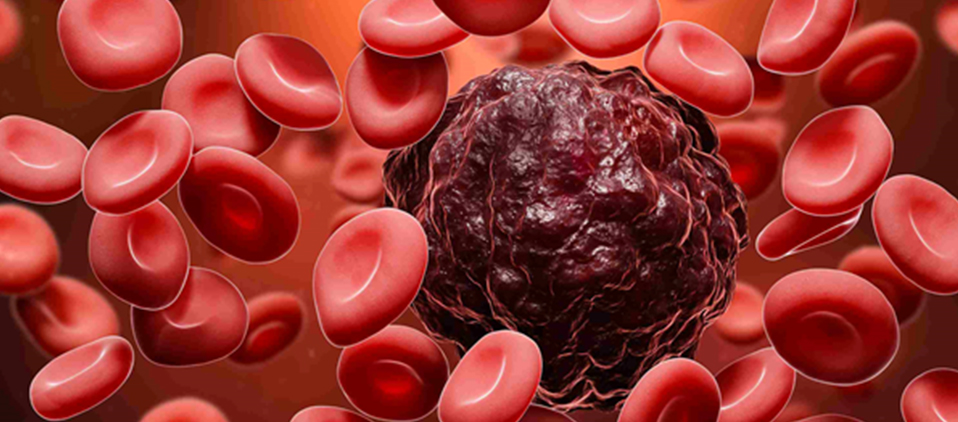
Leukemia , a type of cancer found in your blood and bone marrow, is caused by the rapid production of abnormal white blood cells. The high number of abnormal white blood cells are not able to fight infection, and they impair the ability of the bone marrow to produce red blood cells and platelets.
Lymphoma is a type of blood cancer that affects the lymphatic system, which removes excess fluids from your body and produces immune cells. Lymphocytes are a type of white blood cell that fights infection. Abnormal lymphocytes become lymphoma cells, which multiply and collect in your lymph nodes and other tissues. Over time, these cancerous cells impair your immune system.
Myeloma is a cancer of the plasma cells. Plasma cells are white blood cells that produce disease- and infection-fighting antibodies in your body. Myeloma cells prevent the normal production of antibodies, leaving your body's immune system weakened and susceptible to infection.
Age
Sex
Ethnicity
Family history
Radiation or chemical exposure
Some health conditions and treatments.
People with blood cancer may experience a range of symptoms, including:
Weight loss that's unexplained
Bruising or bleeding that's unexplained
Lumps or swellings
Shortness of breath (breathlessness)
Drenching night sweats
Infections that are persistent, recurrent or severe
Fever (37.5°C or above) that is unexplained
Rash or itchy skin that's unexplained
Pain in bones, joints or abdomen (stomach area)
Tiredness that doesn’t improve with rest or sleep (fatigue)
Paleness (pallor)
Most of blood cancers are treated by chemotherapy, target therapy, or immunotherapy
Surgery plays a very small role
The role of radiation therapy is there in few of blood cancers.
Dr Anshul Agarwal is named amongst the best oncologists currently in Surat. Trained and educated at the Apex Institute of India Tata Memorial Hospital Mumbai. Dr. Agarwal has been trained by one of the best names in the medical field.